Browse our range of metal detectors from leading brands including Minelab, XP and Quest. We have models suitable for everyone from complete beginners to experienced detectorists and professional treasure hunters.
-
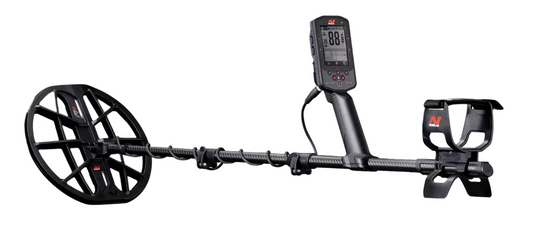
Manticore Metal Detector & Freebies
Vendor:MinelabRegular price £1,799.00 GBPRegular priceUnit price per -
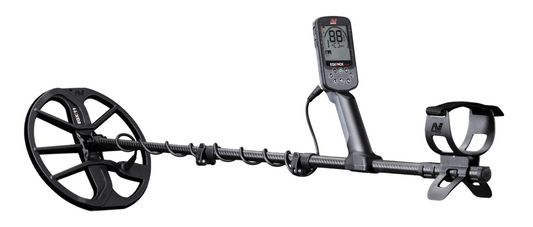
Equinox 900 Metal Detector & Freebies
Vendor:MinelabRegular price £1,049.00 GBPRegular priceUnit price per -
The Legend 2
Vendor:NoktaRegular price £999.95 GBPRegular priceUnit price per -
Legend Pro-Pack & Freebies
Vendor:NoktaRegular price £799.95 GBPRegular priceUnit price per -
Rutus Versa DD28
Vendor:RutusRegular price £699.00 GBPRegular priceUnit price per -
Equinox 700 Metal Detector & Freebies
Vendor:MinelabRegular price £699.00 GBPRegular priceUnit price per -
X-Terra Elite Expedition & Freebies
Vendor:MinelabRegular price £558.00 GBPRegular priceUnit price per -
Vanquish 560 Pro-Pack & Freebies
Vendor:MinelabRegular price £529.00 GBPRegular priceUnit price per -
X-Terra Elite & Freebies
Vendor:MinelabRegular price £479.00 GBPRegular priceUnit price per -
Vanquish 560 & Freebies
Vendor:MinelabRegular price £449.00 GBPRegular priceUnit price per -
X-Terra Elite Only & Freebies
Vendor:MinelabRegular price £428.00 GBPRegular priceUnit price per -
Vanquish 540 Pro-Pack & Freebies
Vendor:MinelabRegular price £389.00 GBPRegular priceUnit price per -
Vanquish 460 & Freebies
Vendor:MinelabRegular price £349.00 GBPRegular priceUnit price per -
Vanquish 360 & Freebies
Vendor:MinelabRegular price £259.00 GBPRegular priceUnit price per -
X-Terra Voyager Tactical & Freebies
Vendor:MinelabRegular price £118.00 GBPRegular priceUnit price per -
X-Terra Intrepid Tactical & Freebies
Vendor:MinelabRegular price £83.99 GBPRegular priceUnit price per




How to Choose the Right Metal Detector
When choosing the best metal detector for you we recommend considering the following:
- What you want to search for.
- Ground conditions.
- Special features.
- Comfort and usability.
What do I want to find?
Choosing the right metal detector depends mainly on what you want to find and where you plan to search. Some detectors are best for beginners looking for coins and jewellery in parks or on beaches. Others are built for more advanced detecting such as relic hunting or searching highly mineralised ground.
Choosing a Detector for Beginners
If you are new to metal detecting, a simple, lightweight detector with automatic ground balance and preset search modes is usually the best option. These models are easy to use and still powerful enough to find coins, jewellery and small artefacts.
Features for More Experienced Detectorists
More experienced detectorists may prefer detectors with manual ground balance, adjustable sensitivity and target identification. This allows you to better filter unwanted metals and detect deeper targets.
Consider the Ground Conditions
The type of ground you will be searching is important to consider when buying a metal detector. Beach detecting often requires a waterproof or salt-water capable detector, while fields and farmland benefit from machines that handle mineralised soil well.
Comfort and Practical Considerations
Finally, think about weight, battery life and coil size, as these affect comfort and search coverage during longer detecting sessions.
A Good All-Round Option
If you’re unsure which detector is right for you, start with a versatile all-round model that performs well on a variety of terrain.
Metal Detector Brands
We only sell quality equipment from the following trusted brands such as Minelab, XP, Quest